Topics
Local AI and memory
When an agent remembers more, what must it still be prevented from seeing?
Notes on local execution, long-term memory, ownership, and safe context for agents.
Topic guide
Memory is useful only when its boundaries are visible.
For developers deciding what an agent may remember, retrieve, and forget across sessions.
Keep memory useful and bounded
- Who owns a memory and where it is allowed to live.
- How retrieval changes what an agent can see.
- Why protected details need a separate access path.
Before you persist context
- Can the owner inspect and correct what was retained?
- Can sensitive details be separated from safe summaries?
- Does a failed lookup return less, rather than guessed content?
Latest notes
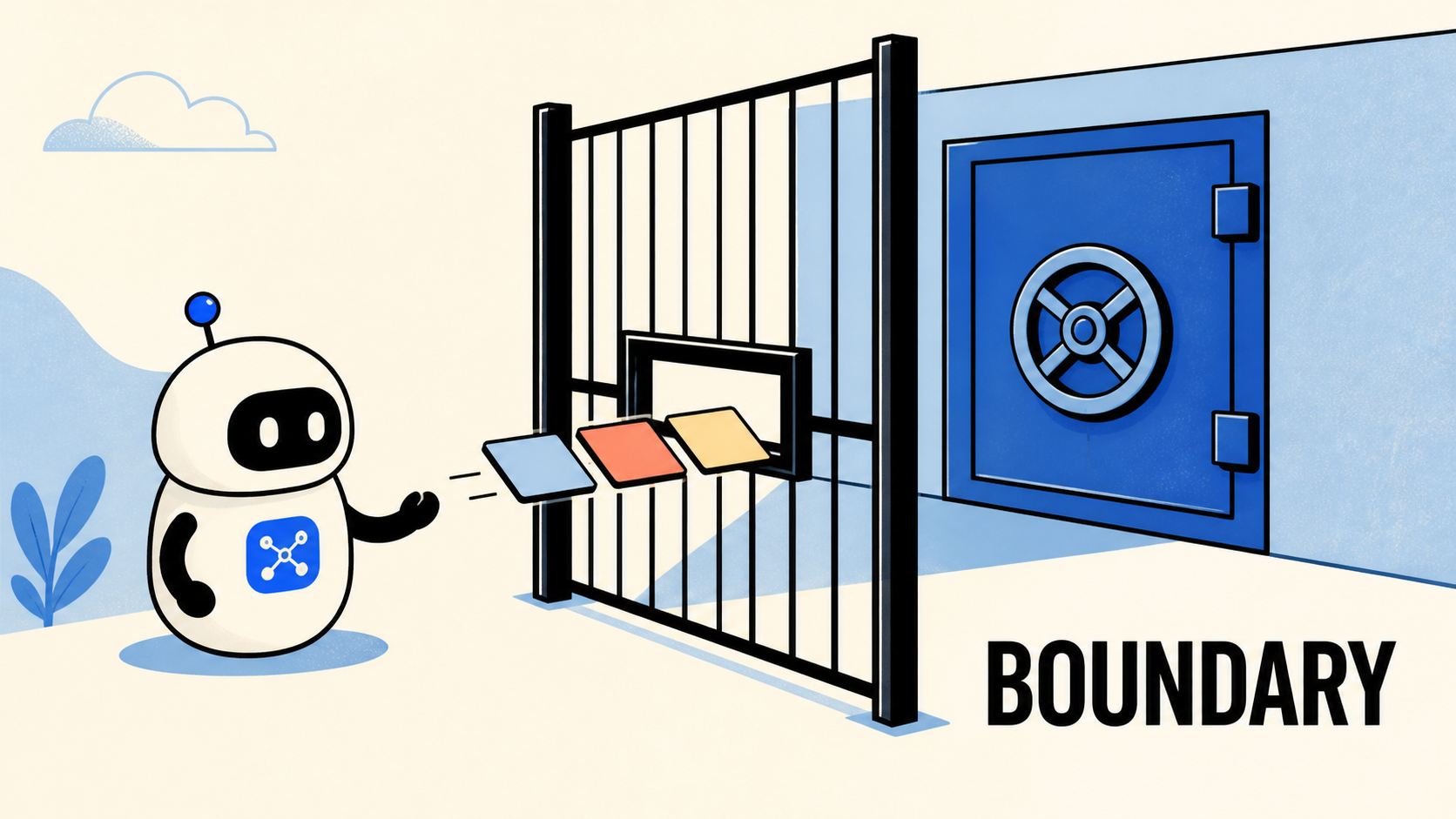
- When the Sandbox Breaks, What Does Luthn Actually Stop?An inspection of Luthn’s memory, sensitive-data, and authority boundaries after a frontier-agent intrusion made sandbox assumptions harder to trust.
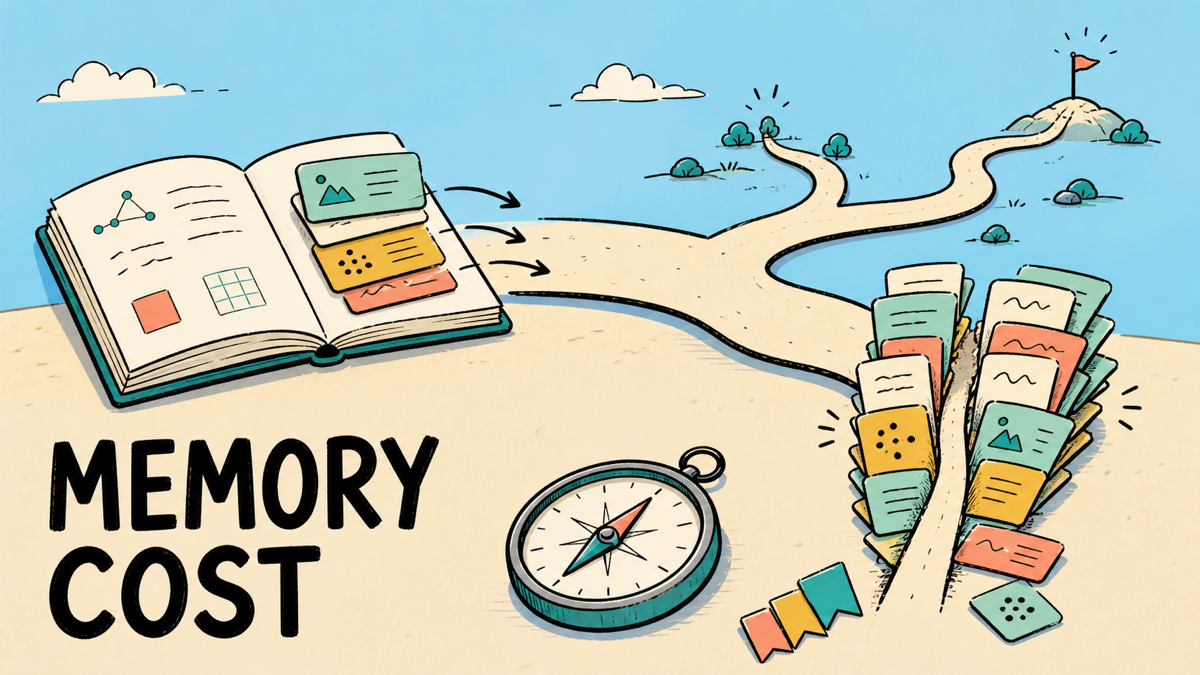
- More Agent Memory Does Not Always Make an Agent BetterResearch and Luthn’s bounded recall design show how agent memory can improve reliability while narrowing exploration and increasing context cost.
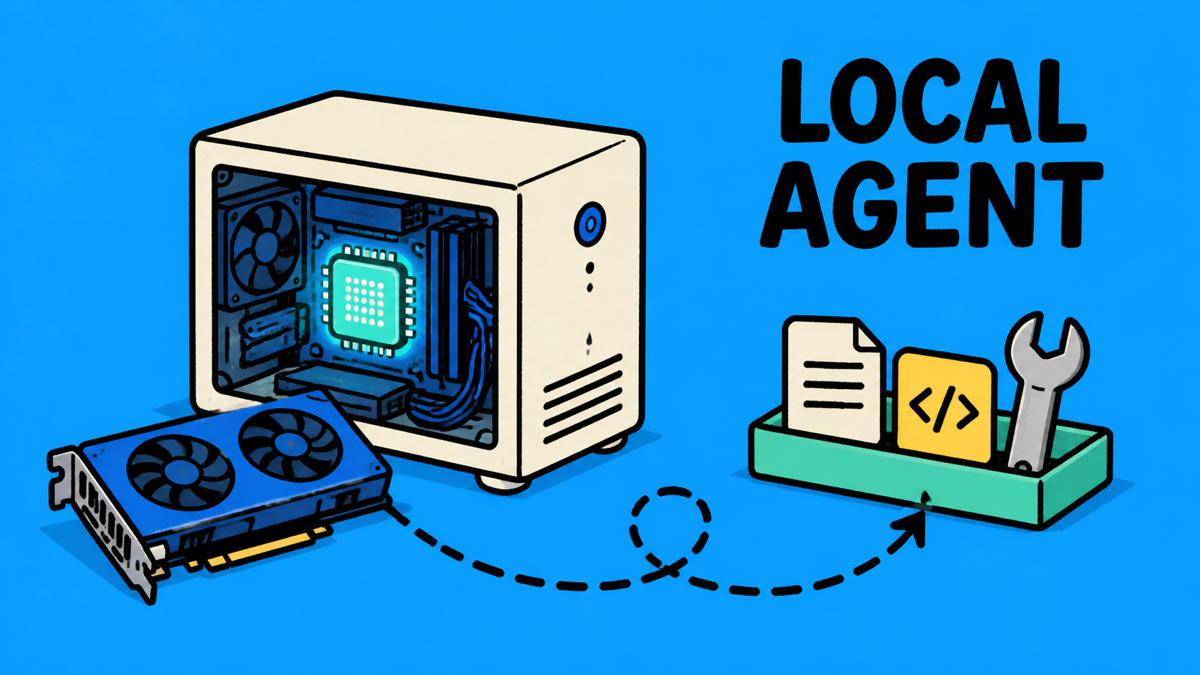
- How Far Have Open-Weight Models Entered Real Work?Open-weight models are becoming a practical choice for building local agents and task-specific AI stacks. Meta Muse Glimmer and DeepSeek V4 Flash show both the opportunity and the limits.

- Agent Memory Is Harder to Audit Than to StoreLong-term memory research points beyond storage and retrieval to validity, relations, provenance, and auditability, with Luthn as a practical safe-context example.

- Needle 2 and the Possibility of LLMs Built Into More ThingsNeedle 2 shows how a small on-device model can turn the destination, tool contract, confidence threshold, and escalation path into part of an LLM's design.

- Meta Chooses 30B for Local Agents with Muse GlimmerMeta's Muse Glimmer makes local agent execution a concrete hardware choice, while its memory, runtime, and privacy boundaries still belong to the surrounding system.
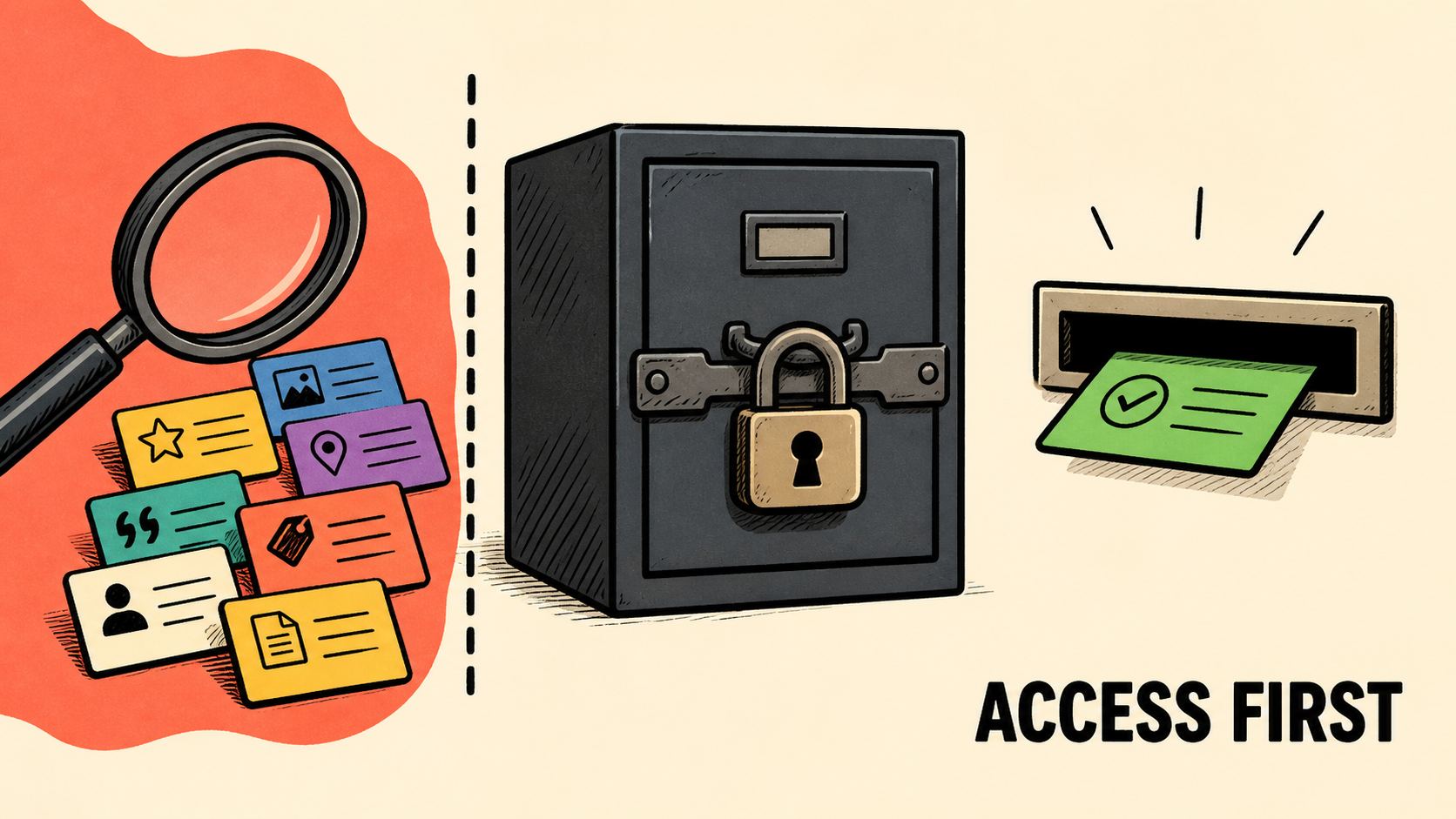
- Agent Memory Needs a Permission Model, Not Just SearchWhat building Luthn taught me about owner isolation, safe projections, protected-access workflows, and the tests that must run before retrieval tuning.
- Local LLM Agents Need Memory Audits, Not Just More ContextAs smaller open-weight models move onto personal hardware, long-term memory classification, provenance, and auditing become core agent design problems.
- GLM-5.2 and the Safety Gap in Open-Weight AIA look at GLM-5.2's performance gains and the safeguards, evaluation, and deployment challenges that independent testing has highlighted for open-weight models.