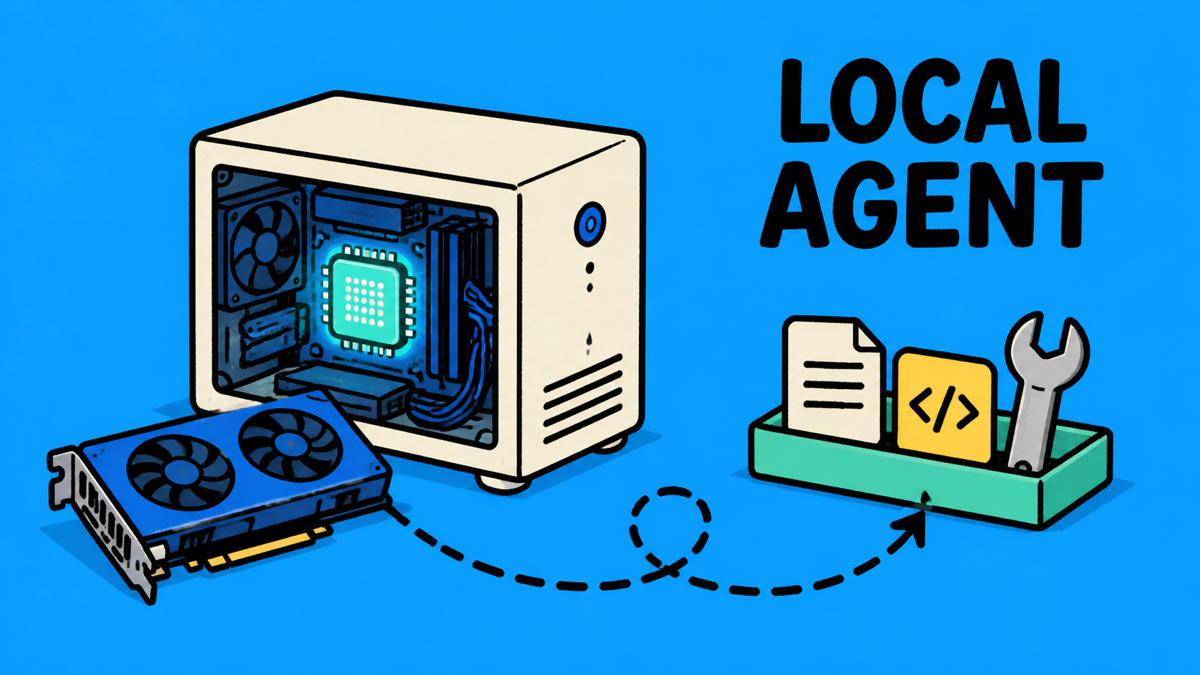
The value of a local LLM is not simply that the model runs on my own computer. The more important benefits are that data does not have to leave the device, cost and latency are under my control, and stored records can be inspected when necessary. Once an agent works across multiple sessions, however, a new bottleneck appears. Its memory grows before the model does.
A recent study reports that a quantized open-weight model running with 16GB of VRAM can match or exceed closed-source APIs on particular database tasks, with lower latency and cost. That is not evidence that every local model is equivalent to a frontier model. It is evidence that local execution is becoming a practical choice for some workloads.
Long conversation history is not long-term memory
Appending more conversation history does not create durable memory. An agent still has to decide what should be retrieved in the next session, which record deserves trust, and what should no longer be retained. A project state, a user preference, a failed procedure, a recurring tool setting, and a temporary work note can all be stored as text, but they should not be treated as the same kind of object.
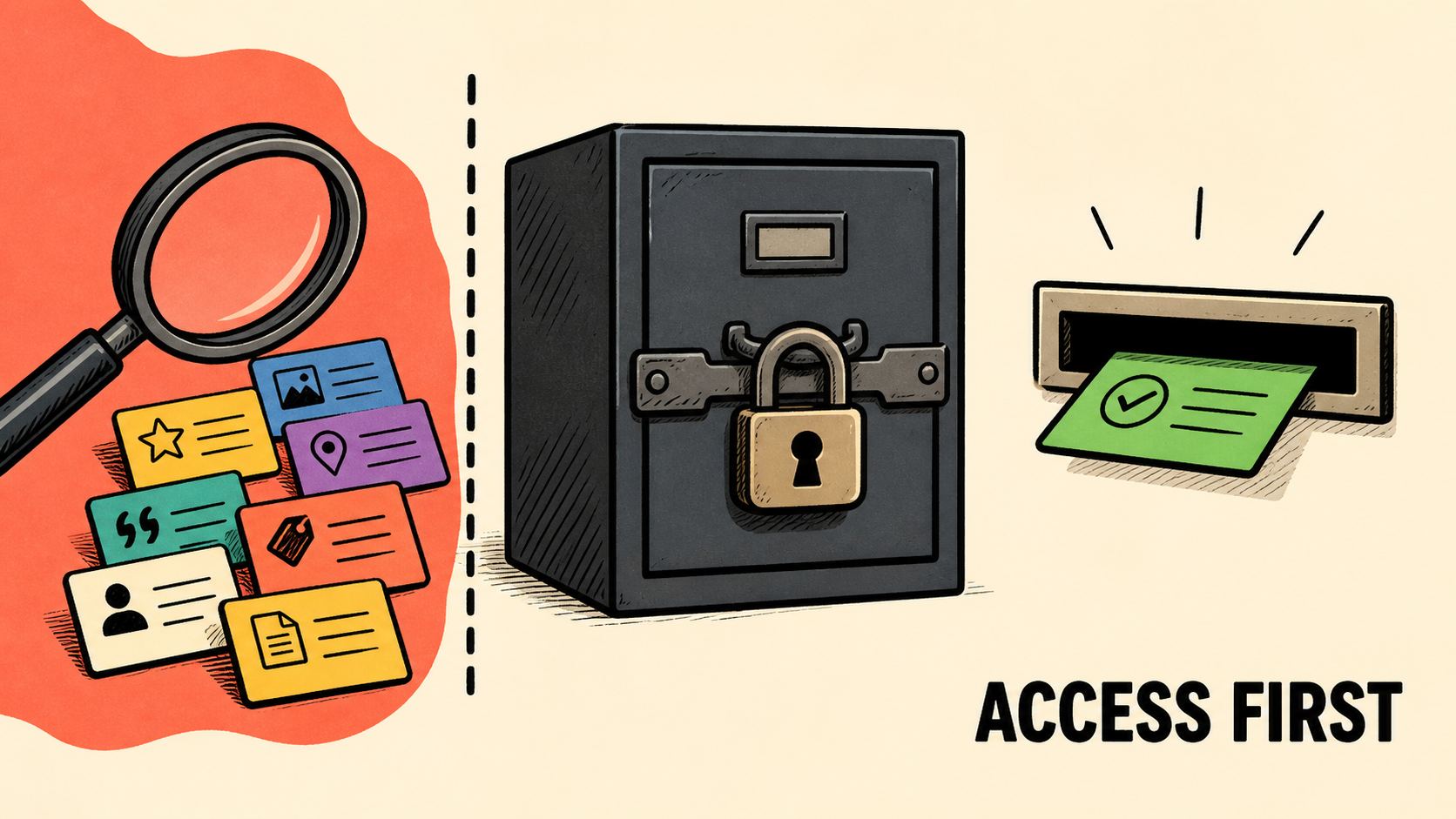
Local agents are also close to personal files, work logs, tokens, and environment settings. If every piece of context is placed into a vector database because it can be retrieved, similarity search may improve while the system loses the ability to distinguish facts, guesses, secrets, and expired state.
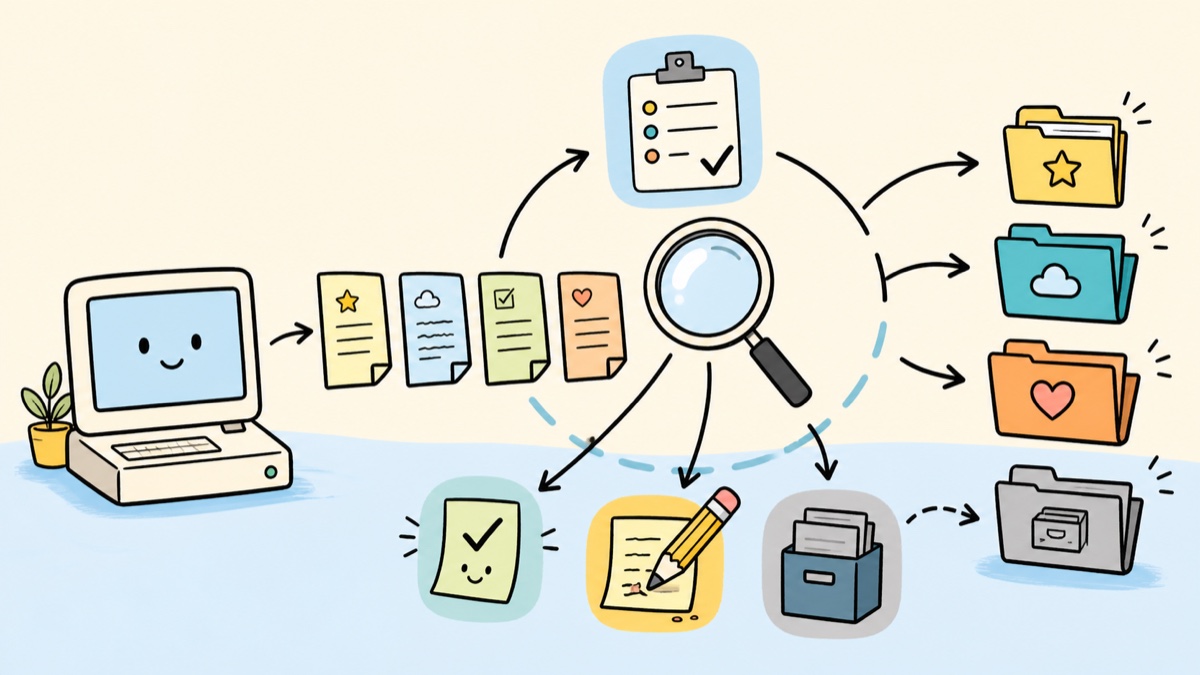
For a local agent, the important operation is not only remembering but also classifying, checking, and cleaning up.
Every memory needs a type and a source
The A-MEM paper argues that many memory systems stop at basic storage and retrieval, without sufficiently organizing or connecting memories. Its approach adds contextual descriptions, keywords, tags, and links between related notes. That makes a retrieved memory easier to interpret, but tags alone do not make a system auditable.
In practice, I would keep at least these attributes separate:
- whether the record is a fact, a user preference, or an agent inference
- where it came from and when it was last confirmed
- which user, project, or task scope it belongs to
- its sensitivity and retention period
- whether it was later used in an answer or tool action
This changes the question from “the agent remembers it” to “which source was stored, when, and under what conditions was it used?” The quality of long-term memory should be measured by how well it can explain itself, not only by how much it can retrieve.
Smaller models make memory writes worth watching
Writing to memory may be more dangerous than reading from it. A mistaken preference or project state can keep appearing in retrieval results, causing the agent to repeat an old error as if it were fresh context. Deleted information may also survive in summaries, embedding stores, or backups.
A 2026 study examining smaller Qwen-family models and two memory frameworks reports that memory failures can remain silent. It proposes stage-level diagnosis for failures in extracting, writing, or reading memory. The result should not be generalized to every model, but it makes a useful point: memory errors need their own observability.
The first architecture I would put around a local agent is not complicated intelligence but a plain record flow. Keep raw events for a limited period. Put new memories into a candidate queue rather than committing them immediately. Classify their type, provenance, sensitivity, and expiry. Require confirmation for sensitive or high-impact records. Apply project and time scope before retrieval, and record which memories supported an answer. Finally, run periodic samples to find incorrect memories, expired memories, and memories that are never used.
Local does not mean less responsibility
Keeping data off a third-party server is a major advantage, but it also means the data remains on local storage. Someone still has to decide who can read memory files and embeddings, what enters backups, and whether deletion reaches every copy. A model or storage migration also needs an export and deletion path that allows memories to be checked again.
The next advantage of local LLMs may not be a longer context window. It may be an agent whose owner can see what it remembers, why it remembers it, and when it forgets. Classification and auditing are not optional polish for long-term memory. They are the basic operating controls that make a local agent usable over time.