The question around open-weight models is changing. Earlier comparisons often reduced the trade-off to lower performance versus more freedom than closed models. Now the practical questions are more specific: Can the model run on the hardware I actually have? Can I adapt it to my work? Can I control its memory and tools?
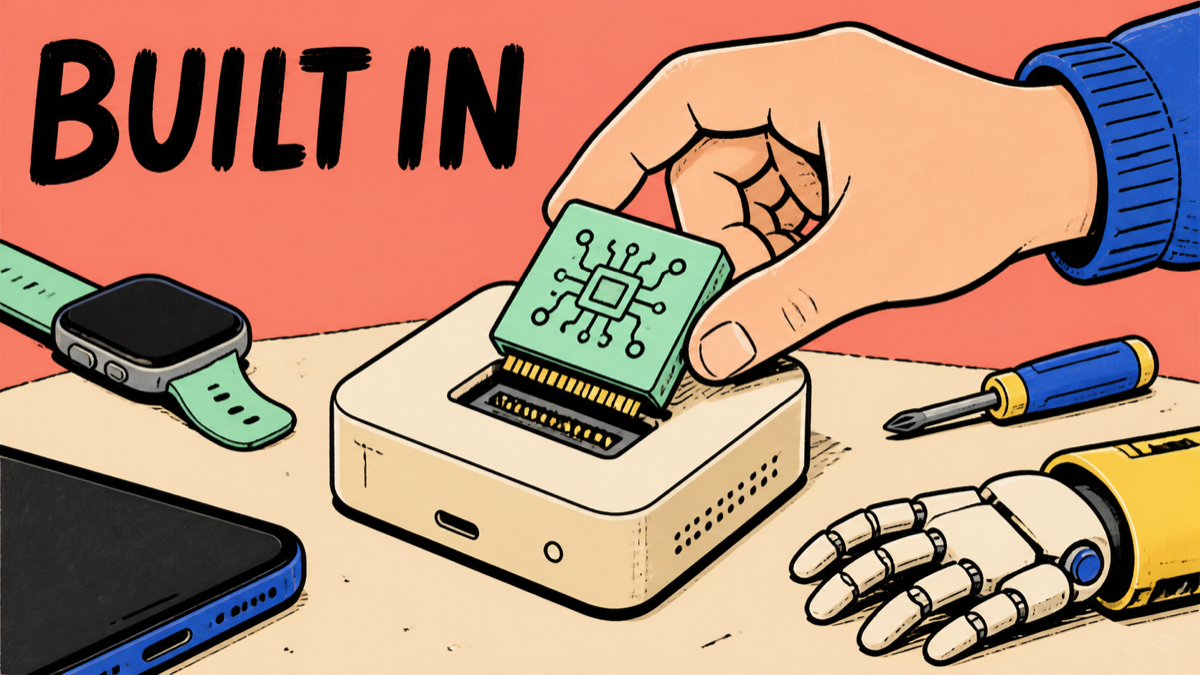
From downloadable files to installable components
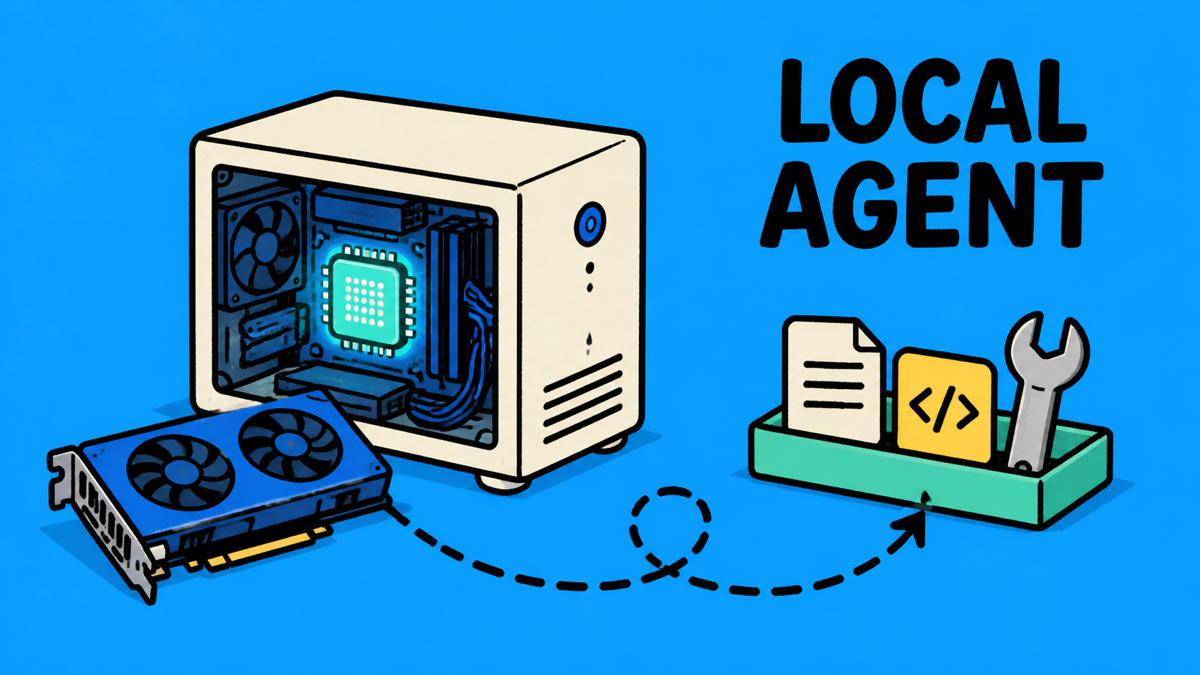
Meta’s Muse Glimmer is one example of this shift. AP reported that Meta announced an open model on August 10 that can run on a personal computer. The official model card lists Muse Glimmer-30B as an image-and-text model under the Apache 2.0 license. Meta’s stated direction is not just another chat interface, but a model for local agents and function calling on real devices. AP News Muse Glimmer model card
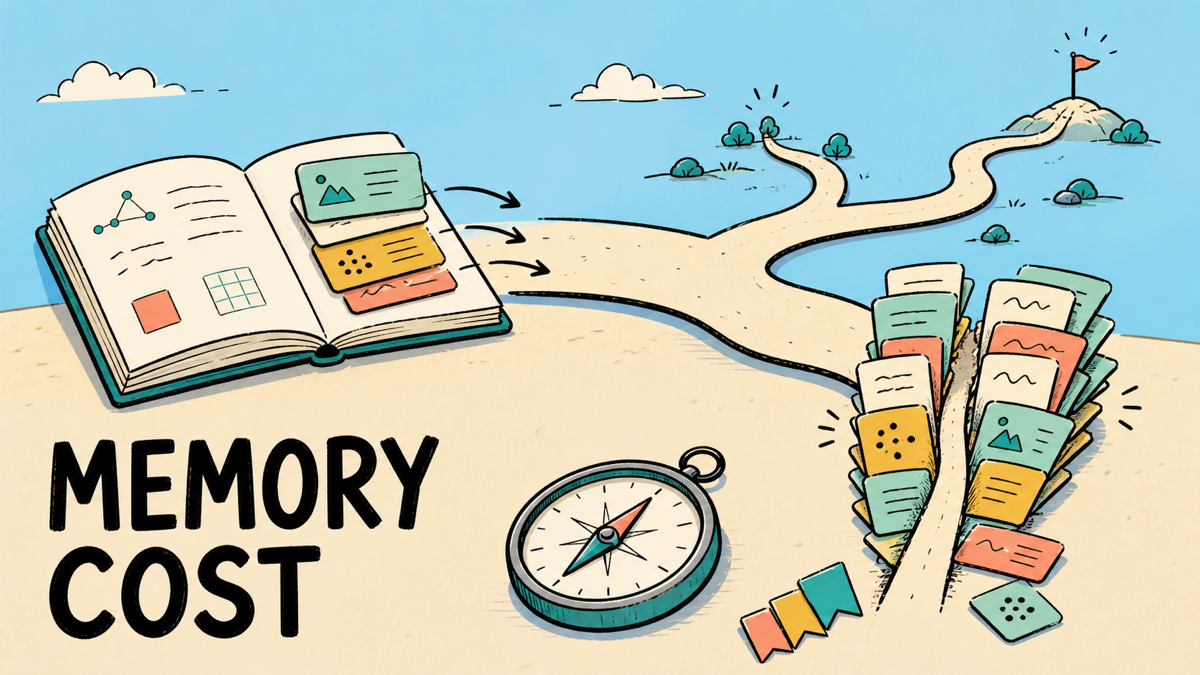
The important point is not merely that the model weights can be downloaded. Developers can choose the runtime, the quantization and memory budget, and where tool calls and long-term memory should live. With a closed service, the provider’s boundary is the starting point. With open weights, the boundary can be redesigned around the task.
What DeepSeek V4 Flash adds
DeepSeek V4 Flash shows a different path. Its official model card lists 284 billion total parameters but 13 billion active parameters during inference, a context window of up to one million tokens, and an MIT license. It also documents deployment paths through Transformers, vLLM, SGLang, and llama.cpp. That does not mean the model will run lightly on every laptop. Total weights, quantization, GPU memory, and latency still determine whether a deployment is practical. The significance is that even a very large model can become a more targeted cost-and-performance choice when its architecture and execution path are considered together.
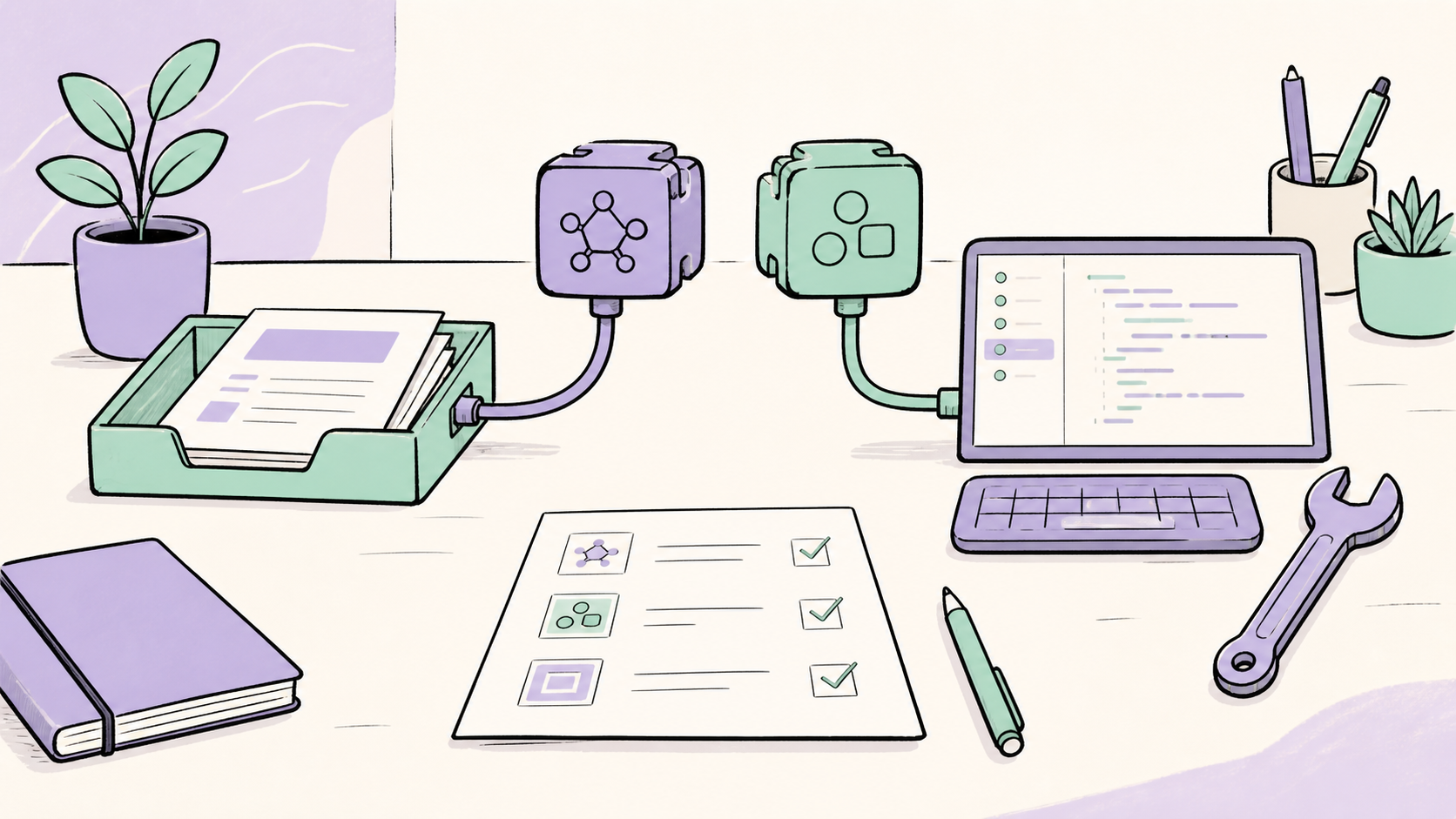
The selection criterion is moving from a single overall ranking toward the combination of task, tool, and execution environment.
Recent public developer discussions are also moving away from aggregate benchmark rankings toward stability in coding, document search, tool calling, and personal knowledge work. Those experiences vary with hardware and settings, so it is too early to claim that any open-weight model has simply surpassed closed models. Teams need to measure latency, recovery from tool errors, and where data travels in their own workflows.
More freedom also means more operations
The strongest advantage of open weights may be ownership rather than a first-place score. Teams can keep sensitive data out of an external service, design memory structures themselves, and combine role-specific models for search, coding, writing, or auditing. The cost is that safety controls, licenses, training-data provenance, updates, and logs also become their responsibility. Publishing weights does not automatically make the data or operating model transparent.
The real question is not whether open models are better than closed ones. It is which work should remain an external service and which work should be owned inside your environment. Muse Glimmer and V4 Flash show that this choice is moving from a lab experiment into the design of a real production stack.