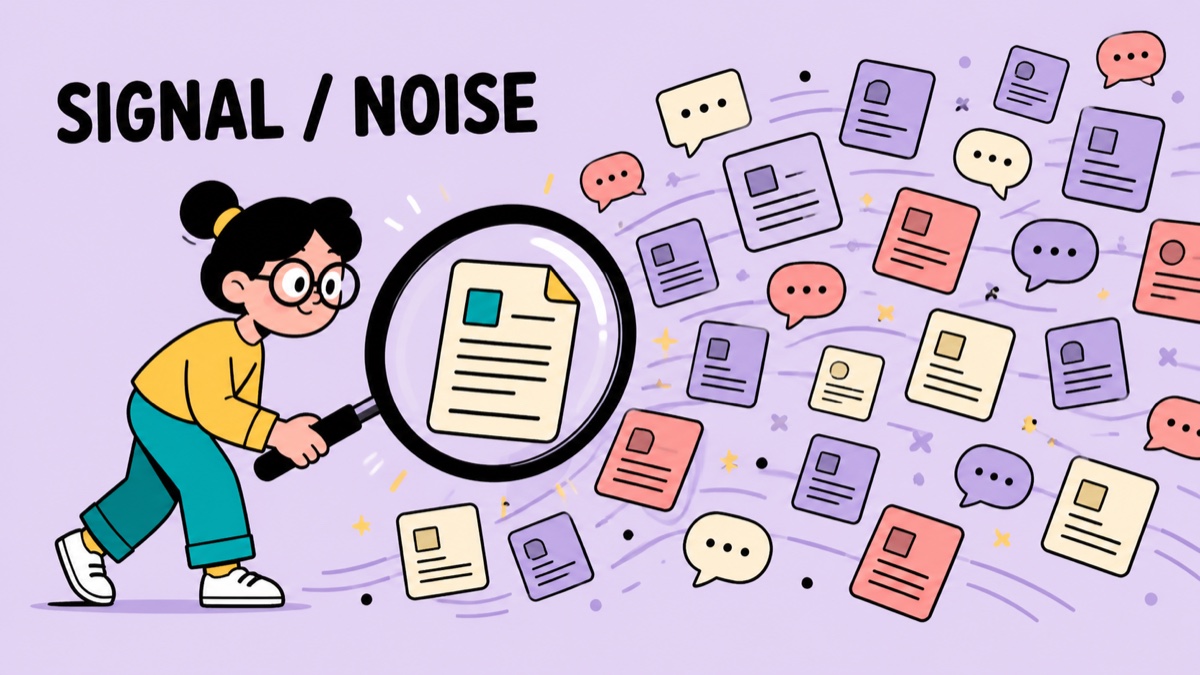
Building a working screen and taking responsibility for a service are still two different things. Korea’s vibe-coding boom is making that gap easy to ignore. Tell an AI what a feature should do, receive code, and deploy the result, and development can look like nothing more than explaining an idea.
Once users arrive, payments and personal data are involved, or an outage begins, the questions change. Who will understand and fix the system? How will data loss be recovered? Who owns the security incident and the unexpected bill? Putting a result on the market without answers to those questions is vibe coding’s first real cost.
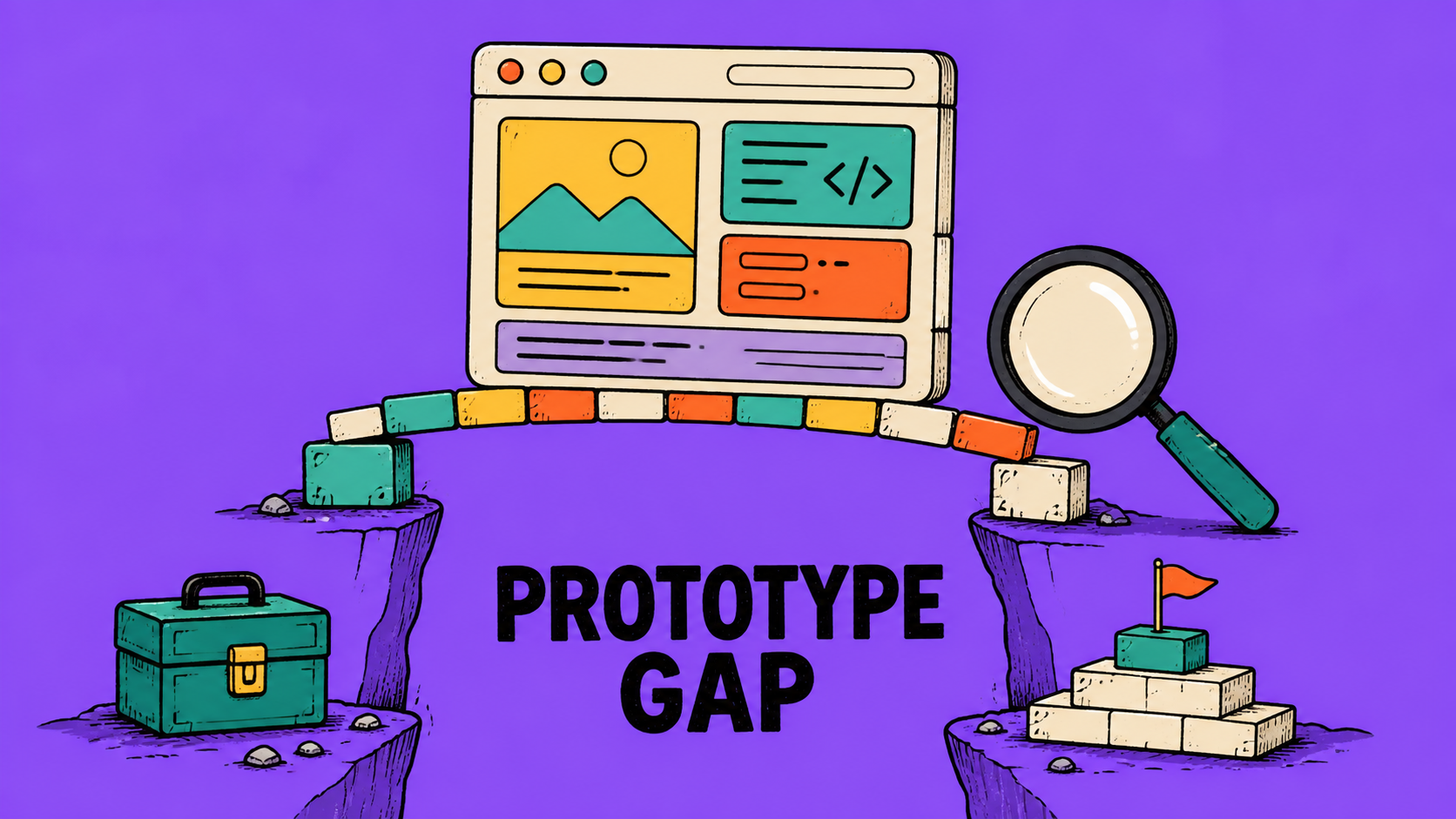
A prototype is not a service
Vibe coding is not inherently a problem. It is useful for early prototypes, internal automation, and testing an idea. Non-developers being able to build small tools for their own problems can be a healthy change.
The trouble begins when a tool that helps developers become a promise that anyone can create a service and make money without understanding development. A lower barrier to entry is not the same thing as a lower difficulty of running a software business.
The demand is visible in Korea. Newsis reported that Fast Campus’s own figures showed vibe-coding course revenue rising 175% in six months, while the number of courses grew from 15 to 39. This does not describe the entire Korean market or prove anything about the quality of every course. It does show how quickly a new tool is being packaged as an education product and a path to income.
The attitude of working developers is less confident. In Stack Overflow’s 2025 developer survey, 87% of respondents expressed concern about the accuracy of AI agents and 81% were concerned about security and privacy. The survey does not measure Korea’s non-developer market, but it does show that people using these tools professionally do not treat generated output as automatically trustworthy.
Operations do not disappear
Vibe coding makes the visible interface quickly. The work required to operate it stays behind the interface: defining requirements and permissions, protecting secrets and data, managing migrations, observing errors and performance, testing backups, updating dependencies, controlling cloud costs, handling privacy, and answering users during incidents.
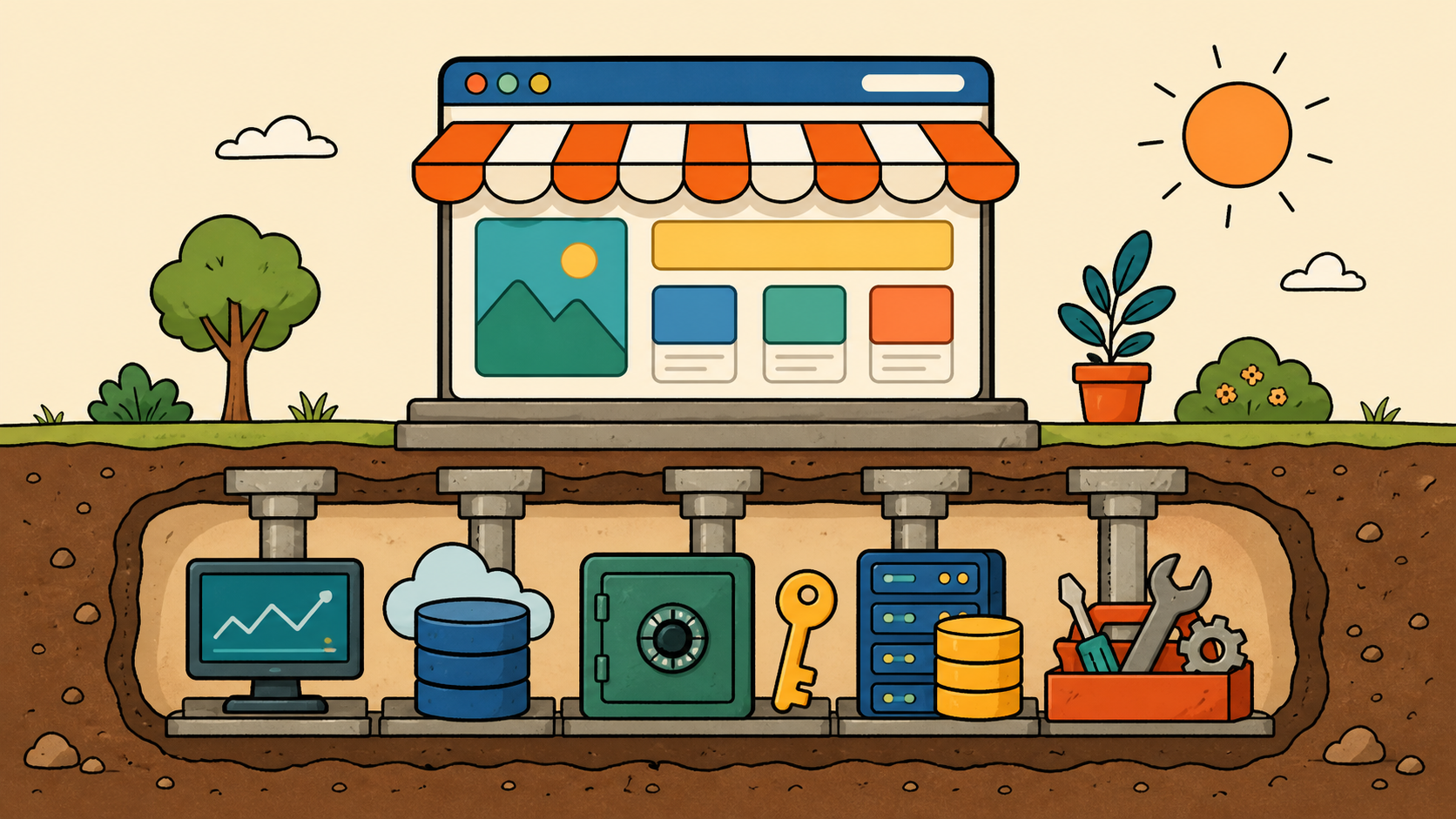
The visible interface depends on an operational foundation that is easy to miss.
AI can help with parts of this work, but it does not take responsibility for them. METR reported that a randomized study of 16 experienced open-source developers completing 246 tasks found that using early-2025 AI tools increased completion time by 19%. This is not a law that applies to every tool or developer. It does show that making a new demo and safely changing an existing system are different jobs.
Security exposes the same gap. In a Veracode experiment covering more than 100 language models and 80 coding tasks, only 55% of the generated solutions met the security criteria. The study did not measure complete production services, but it makes one distinction clear: code that runs and code that is safe are different quality dimensions.
The trust cost of quick-money logic
When the cost of generating software falls, the supply of products rises. If the market rewards a deployed screen and a short success story more than a solved customer problem, products that cannot be maintained can keep appearing. There is not enough evidence to say that the entire Korean market is already broken because of vibe coding. Repeated failures in login, payments, data deletion, or support can still make users suspicious of new services in general.
Courses that promise to help people make money with AI sit inside the same incentive structure. Learning a tool can have real value, but “learn this tool and income will follow” turns education into the sale of an expectation. There is no formula that turns a few prompts into stable revenue. Revenue still depends on finding a real customer problem, delivering the product, creating repeat use, setting a price, and taking responsibility for incidents and support.
Developers and operators often absorb the direct cost. They read tangled code, contain security problems, recover from outages, and handle the work hidden behind the claim that “AI built it in a day.” When that labor is priced as if it were free, professional engineering and teams building reliable products are both put at a disadvantage.
Developers are not going away
I do not expect developers to disappear. A large part of the act of typing code may shrink, but not writing code does not mean never looking at code. The ability to judge the structure of AI-generated code, its failure points, and its connections to other systems will become more important.
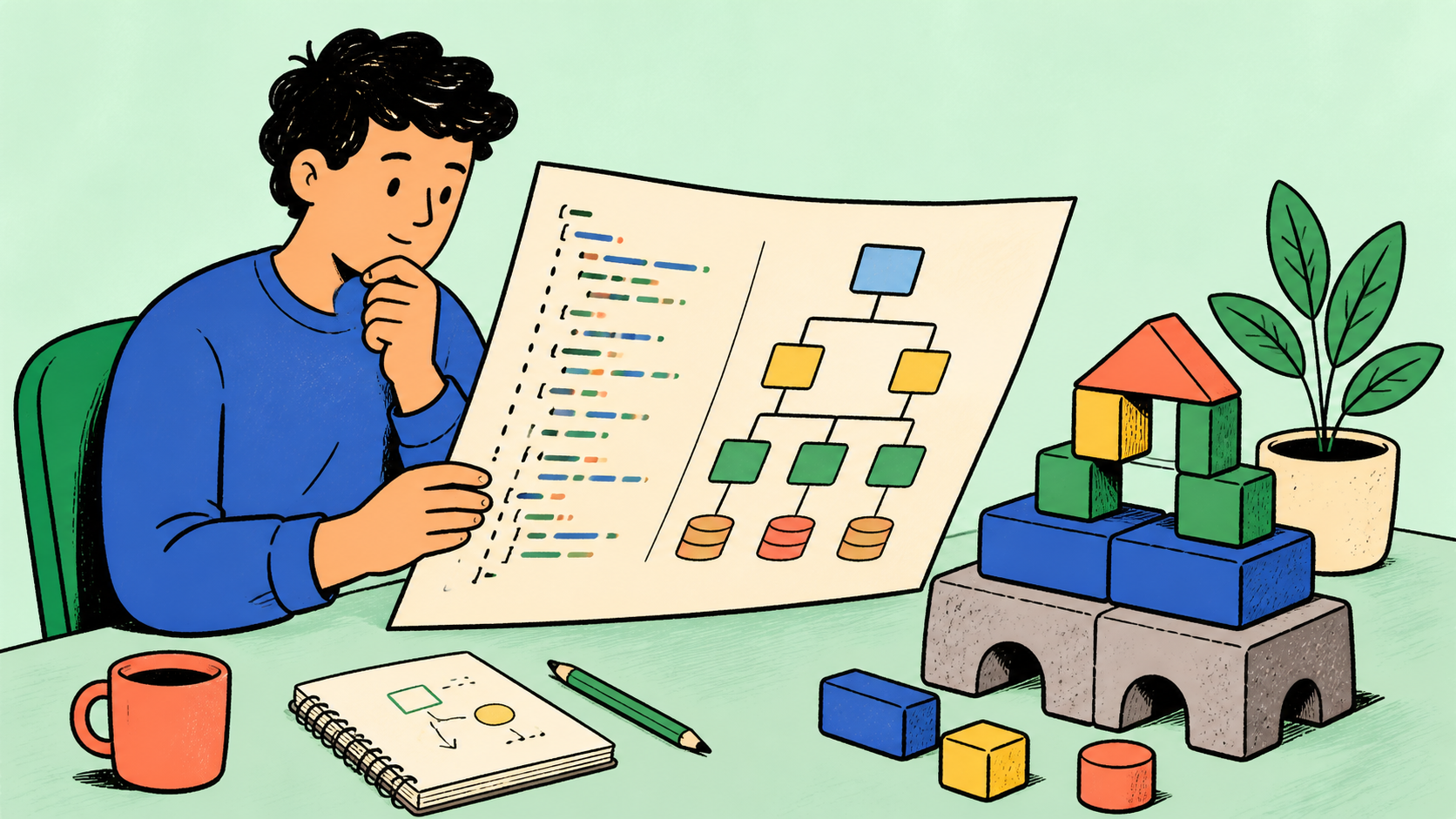
The developer of the future will write less code, but will still read and judge it.
A developer’s capabilities will be harder to measure by coding speed alone. Knowledge that turns requirements into technical structures, architecture that can withstand change and failure, and judgment that can review generated code will remain central. AI can lend a hand with writing code, but the decision about what should be shipped cannot be delegated away.
Questions to answer before shipping
Can the service be rolled back after an incident? Has a backup actually been restored? Where are secrets and user data stored? Are there logs and monitoring that can reveal an error? Who owns dependency updates and user support?
If the answers are not ready, the idea does not have to be abandoned. Call it a prototype, limit its users and data, and name an operational owner before moving to the next stage.
Vibe coding has lowered the barrier to development, but it has not removed the barrier of responsibility. The important question is not whether to use AI. It is whether a quickly made result is ready to enter the market. Before asking whether it was built or sold, ask whether it can be fixed and whether someone will keep taking responsibility for it.