On August 17, Axios reported that Stripe had agreed to acquire OpenRouter for more than $8 billion in cash and stock. A separate Axios newsletter cited Bloomberg’s figure as more than $7 billion. This is still a reported transaction: Axios said an official announcement was expected later in the week and that neither company had commented at the time of publication.
The distinction matters. A confirmed acquisition would be one of the clearest signals yet that the layer between an AI application and a model provider has become strategically valuable. OpenRouter is not a frontier model lab. It is a gateway that lets developers access hundreds of models through one interface and route requests by cost, latency, provider availability, or task requirements.
The missing layer between models and money
OpenRouter’s own May Series B announcement describes a platform serving 8M+ developers across 400+ models. It says weekly volume grew from 5 trillion to 25 trillion tokens in six months and that the company handles routing, reliability, cost optimization, and compliance. Those figures are company-reported, but the product direction is clear: multi-model production systems need an operational layer.
Stripe has already been building around that layer. In a January announcement, Stripe said OpenRouter used its invoicing, tax, payments, and fraud tools. Stripe also described a joint setup in which model requests can be routed through OpenRouter while usage is tracked, prices are applied, and customers are billed. The reported acquisition would therefore extend an existing commercial relationship into ownership.

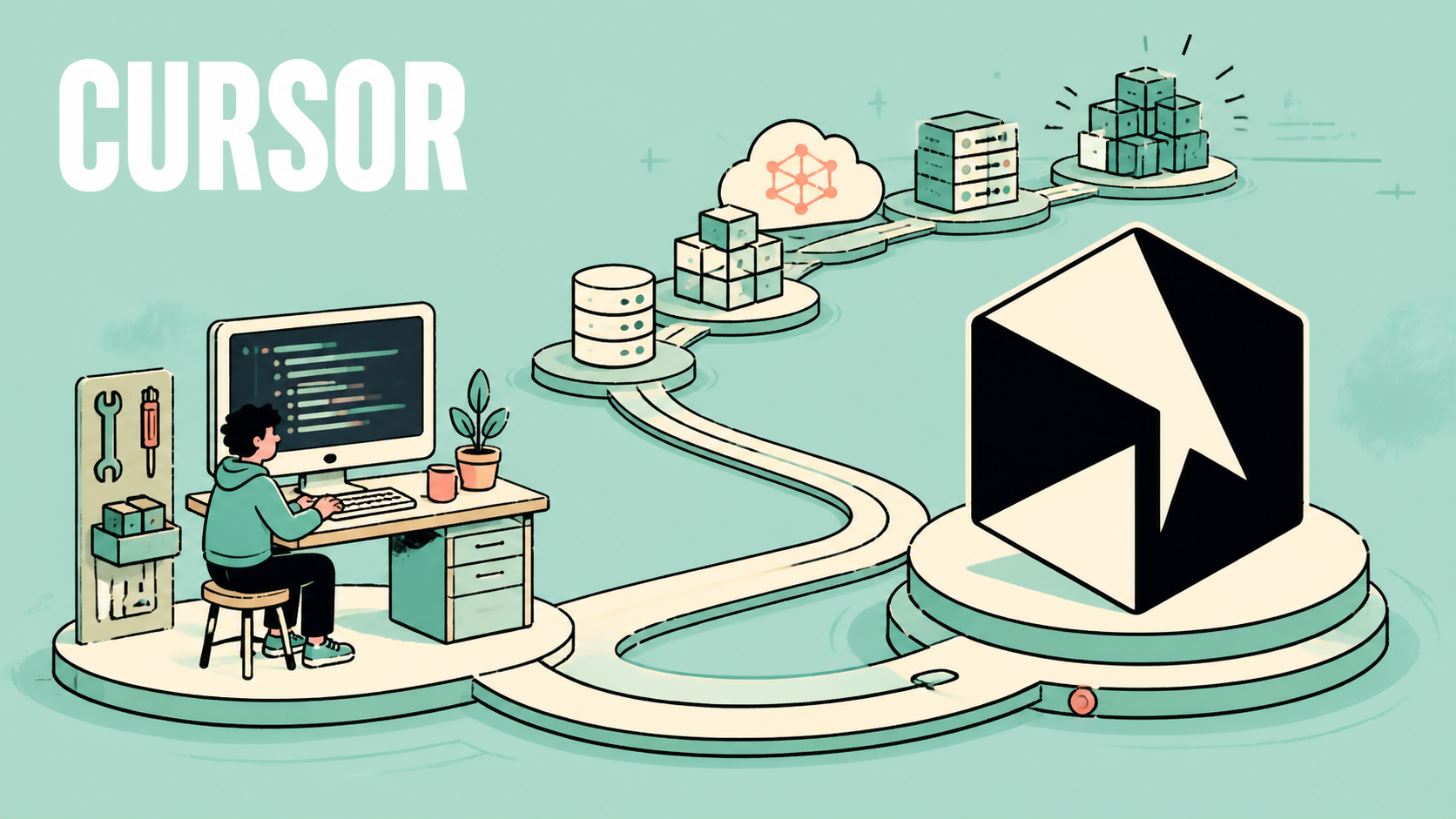
This illustration shows the routing layer connecting model choice with usage and cost management.
Why Stripe would want the router
The strategic logic is stronger than “a payments company buying an AI startup.” AI costs are unusually fluid. Providers change prices, availability varies by region, and one request may need a fast, inexpensive model while another needs a more capable one. When an application serves millions of users, switching models is not a one-line API change; it affects budgets, margins, latency, reliability, and data policies.
OpenRouter sits close to that decision. It can help an application choose a provider, fail over when one is unavailable, and keep the application from being rewritten for every model. Stripe already sees the billing side of AI usage. Owning the routing side could give it a more direct view of how AI work is selected, measured, and paid for.
That is an interpretation, not an announced post-acquisition plan. The deal value itself also remains a media-reported figure until the companies publish terms.
The important question is control
The acquisition would make the model gateway more important, but not automatically more open. Developers will want to know whether OpenRouter keeps broad provider choice, how routing decisions are exposed, and whether billing, usage data, or provider incentives influence the default path. Enterprise teams will ask for audit logs, clear data-retention boundaries, and a way to move workloads elsewhere.
For builders, three checks matter more than the headline price: Can a request be moved to another provider without rebuilding the product? Can cost and latency decisions be inspected? Can the team export its usage and policies if the gateway changes direction?
The deal is still a reported deal, but the message is already visible. AI infrastructure is not only GPUs and model APIs. The layer that decides which model runs, under what constraints, and how the resulting usage is charged is becoming infrastructure in its own right.