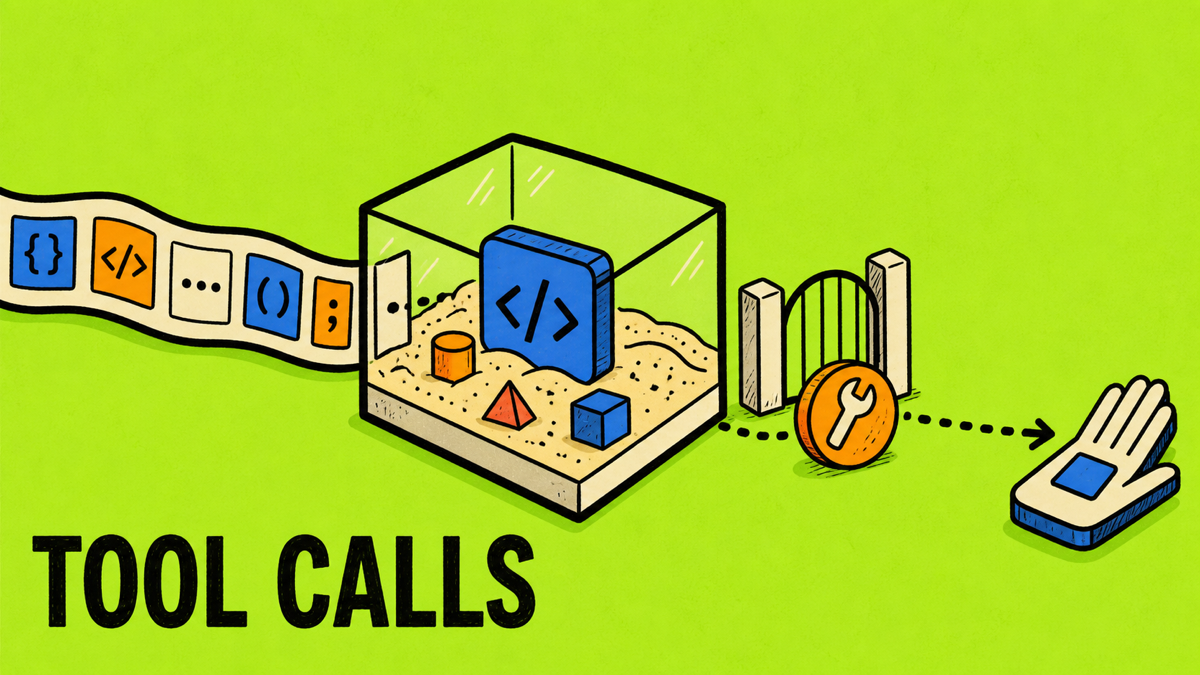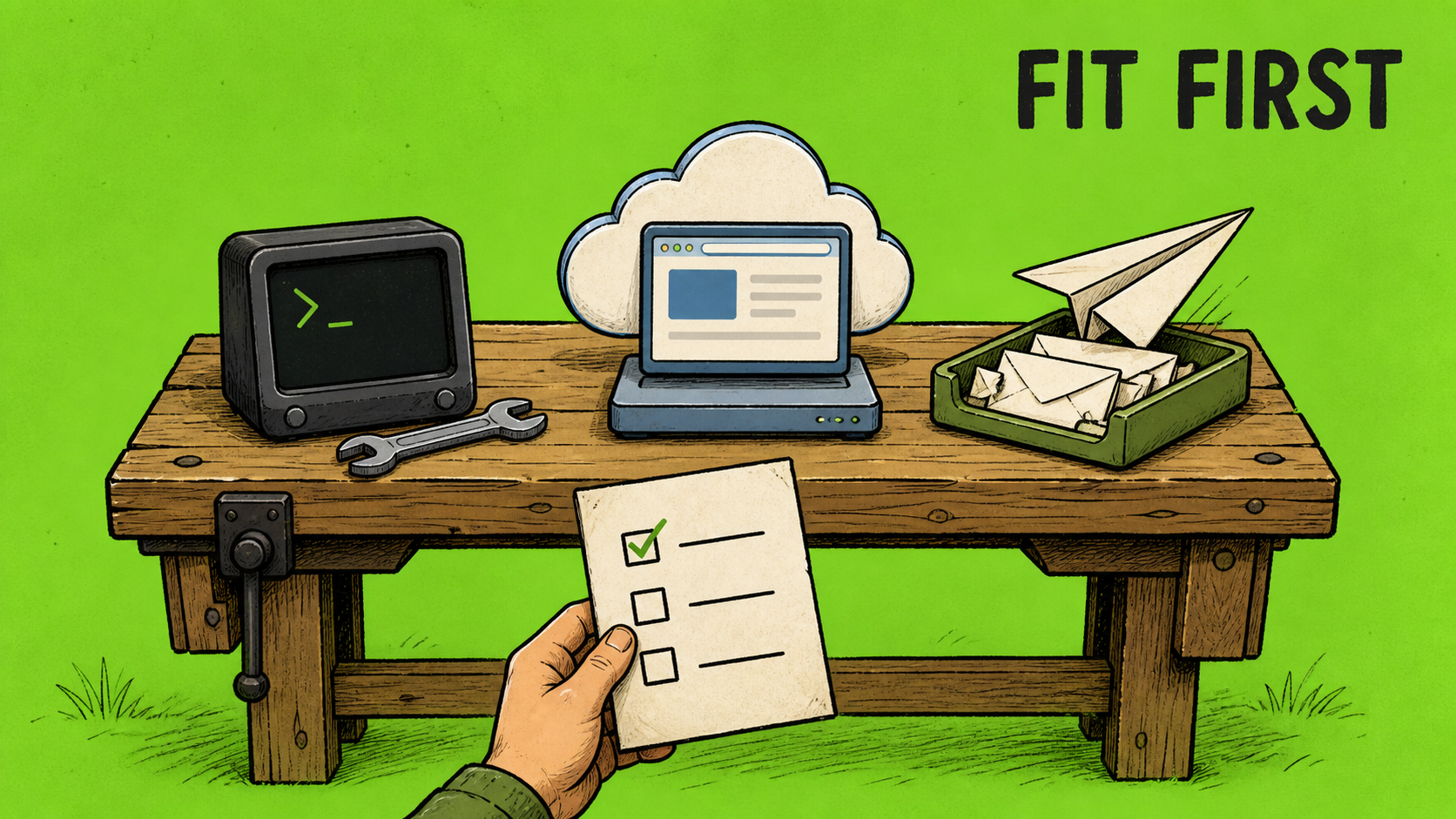
After spending a little time with all three, I stopped asking which one was the smarter AI agent. Hermes, Grok Bot, and Buzz do not replace the same kind of work. A head-to-head task score says less than the practical questions: what can the tool access, where does its automation stop, and who approves the last consequential action?
This is an early hands-on comparison, checked again against current primary sources on September 1, 2026. It is not a controlled benchmark with the same models, time window, or permissions. Grok Bot is also an early-beta product, and its available features can vary with the plan and connected accounts.
Start with the jobs they are built to do
Hermes is an open-source agent runtime. It is closer to a system you assemble around your own environment: you choose models and tools, then connect skills, memory, and scheduled work. I found it more useful as a workbench for accumulating repeatable workflows than as an app that simply clicks for me. That flexibility also leaves the operator responsible for setup, permissions, and review.
Grok Bot entered early beta on August 11, 2026. xAI describes each Bot as having its own cloud computer that can sign in to apps and websites and carry out multi-step work. Teaching a workflow once and saving it as a routine lowers the setup barrier. It does not remove the need for a separate approval boundary around actions that are hard to undo, such as sending messages, making payments, or deleting data.
Buzz is not a general-purpose assistant. It is a sales-outreach platform that brings lead enrichment, email and social outreach, campaigns, and response management into one workflow. In practice, targeting criteria, sending policy, and ownership of follow-up affected the outcome more than generated copy did. Buzz is easiest to use well when the sales process is already defined.
| Question | Hermes | Grok Bot | Buzz |
|---|---|---|---|
| Core job | General automation shaped around your environment | A work Bot that uses apps and websites from its own computer | A platform for prospecting and outreach operations |
| What you need first | A model, tools, permissions, and an operating model | A qualifying plan, connected accounts, and a taught workflow | An ICP, lead criteria, sending policy, and sales rules |
| Where control sits | The operator designs the runtime | The operator manages approval points inside the product environment | The team manages campaign rules and sales approvals |
| Expectation to avoid | A finished assistant that works after installation | An early-beta Bot making important judgments without review | Revenue appearing without targeting or message strategy |
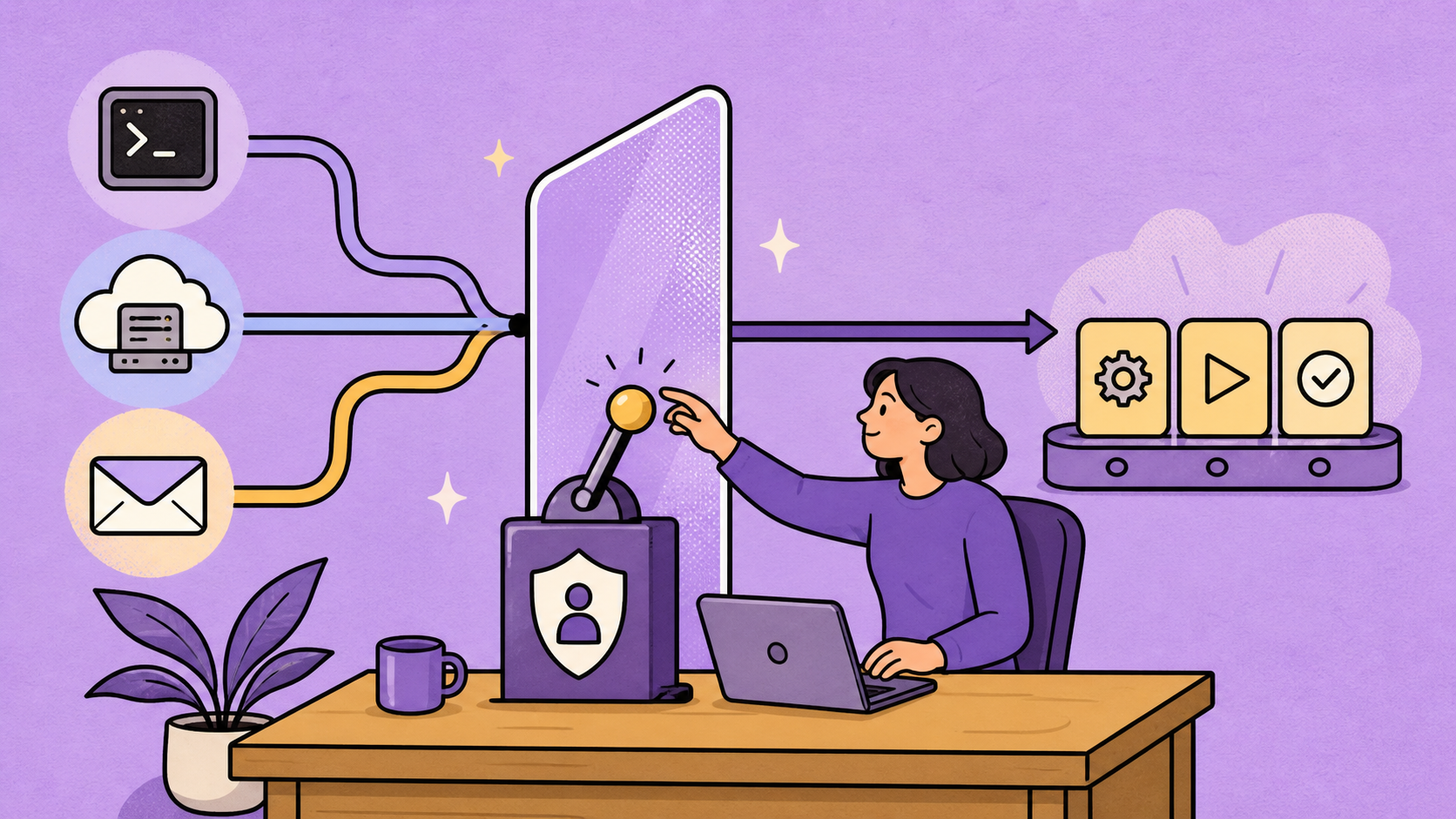
Their automation scopes differ, but the final step that sends a customer message or changes money, permissions, or data should still have a human check.
The choice comes down to an approval boundary
Hermes fits work that needs to accumulate inside your environment: local tools, code, and recurring research. The setup cost is real, but it leaves room to choose models and tools. Grok Bot is a more direct fit when you want to hand off repetitive work inside web and SaaS applications. Because it is in beta, confirm the current plan and actual operating limits before relying on it.
Buzz asks a narrower question: who should the team contact this month, by what criteria, and who handles the reply? Expecting it to create a sound sales process from scratch can make a poorly defined process run faster. When targeting, consent, sending policy, and follow-up ownership are clear, it becomes much easier to measure and adjust campaigns.
The conclusion is a boundary, not a ranking. Hermes is an automation foundation the operator controls. Grok Bot is a cloud teammate that acts in work interfaces. Buzz is an operating system for sales outreach. Before adopting any of them, answer three questions: which accounts and data can it access, what is the last action a person must approve, and who can use which record to unwind a failure?